Riders & elite competitors
Immigration strategies for accomplished riders whose competition records, selections, results, recognition, and professional standing may support an extraordinary ability or internationally recognized athlete pathway.

Equestrian Immigration
Specialized immigration counsel for riders, trainers, grooms, and owners navigating the international equestrian world.
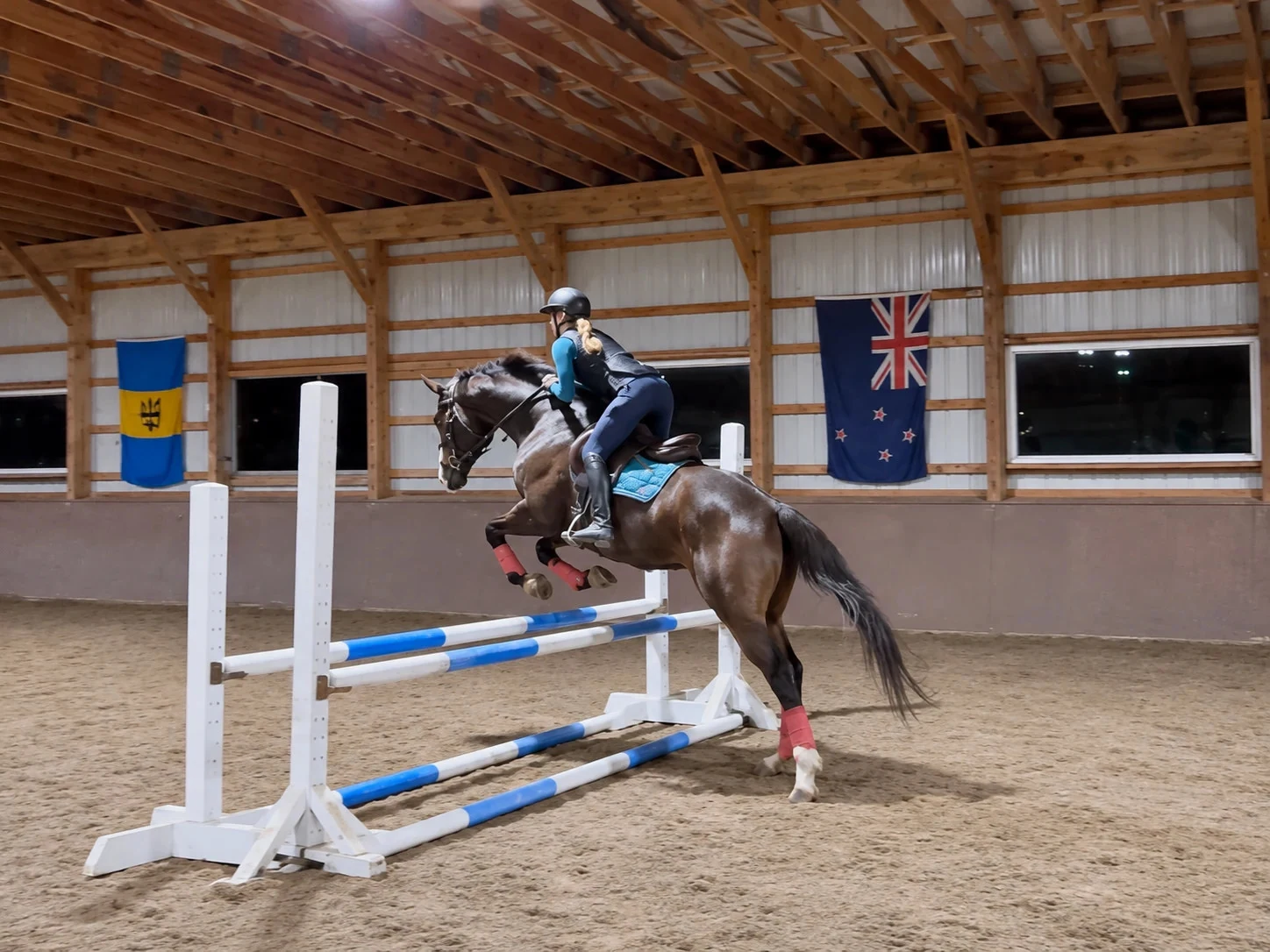
International equestrian careers rarely fit neatly into conventional employment models. Competition schedules, training arrangements, horse management responsibilities, sponsorships, and work across multiple organizations can create immigration questions that require a nuanced approach.
Aucoin Immigration Law helps equestrians evaluate U.S. immigration options in light of their actual professional activities, accomplishments, and plans.
Whether you compete at the highest levels, train horses and riders, manage equine operations, or support a competitive program, the first step is understanding the work you will perform in the United States and the immigration classification that may fit.
Immigration strategies for accomplished riders whose competition records, selections, results, recognition, and professional standing may support an extraordinary ability or internationally recognized athlete pathway.
Guidance for trainers and other equestrian professionals whose expertise, accomplishments, and proposed U.S. activities require careful evaluation under the applicable visa standards.
Assessment of potential visa options for qualified grooms and support professionals, taking into account job duties, employer arrangements, program requirements, and the nature of the proposed work.
Immigration planning for owners, sponsors, and equestrian businesses bringing international talent to the United States or coordinating complex professional arrangements.
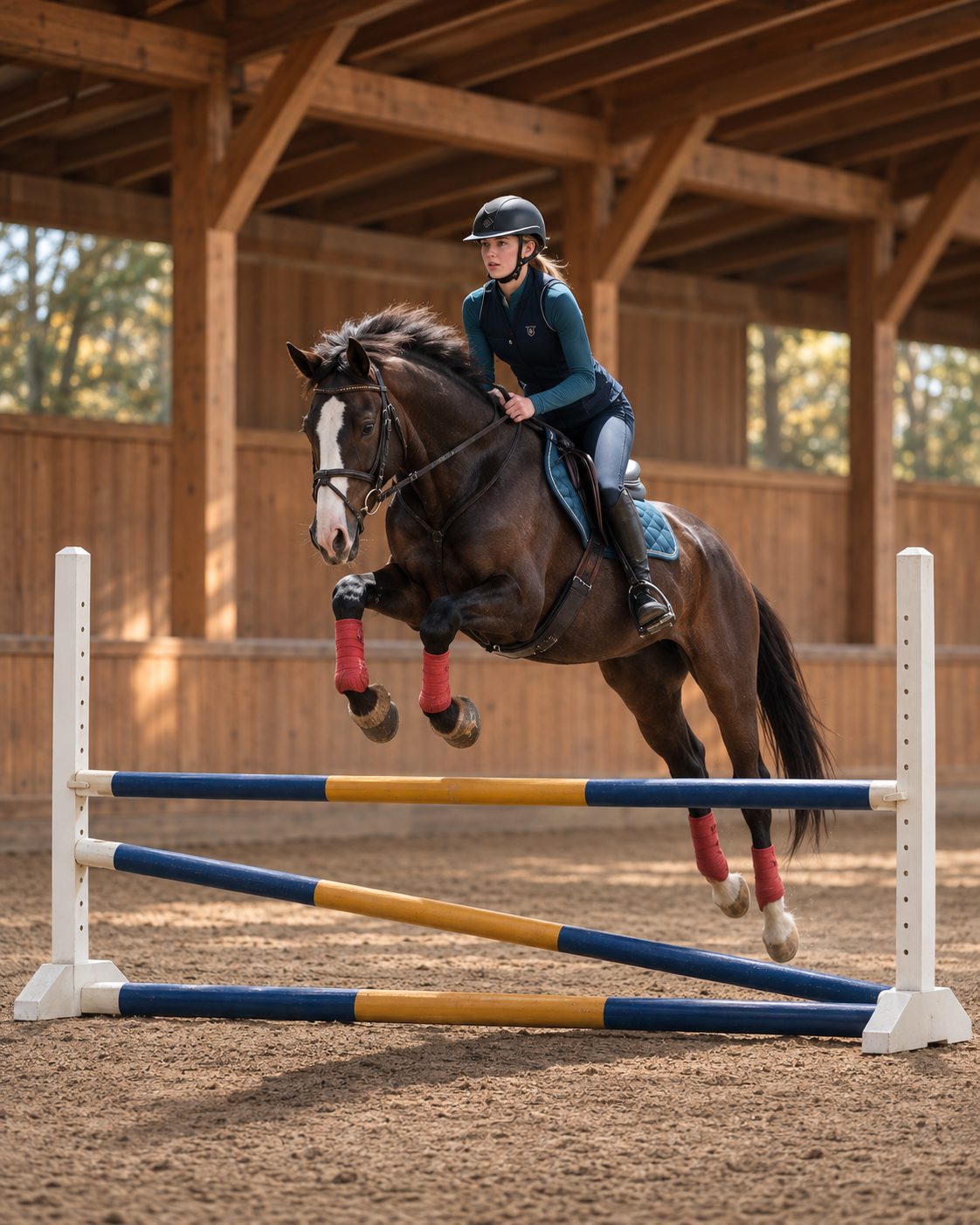
The equestrian world recognizes excellence through competition results, international rankings, national team selections, industry publications, and the respect of peers. Immigration law applies its own evidentiary standards.
An effective petition must connect available evidence to the specific requirements of the requested classification. Depending on the case, relevant materials may include competition results and rankings; national team selections; published coverage; expert letters; evidence of professional accomplishments; and contracts, itineraries, employer information, or documentation of proposed U.S. activities.
Not every type of evidence is relevant to every visa category. We evaluate the record against the particular legal standard rather than relying on a generic checklist.
Identify the duties, engagements, and professional arrangements in the United States.
Assess potentially appropriate visa classifications and relevant permanent residence pathways.
Organize the professional record, supporting documentation, and legal analysis.
Consider timing, future engagements, and how immigration decisions may affect the broader career or business.
Whether you are planning a season in the United States, establishing a training arrangement, or building a longer-term professional future, the right strategy starts with a careful assessment of your circumstances.